
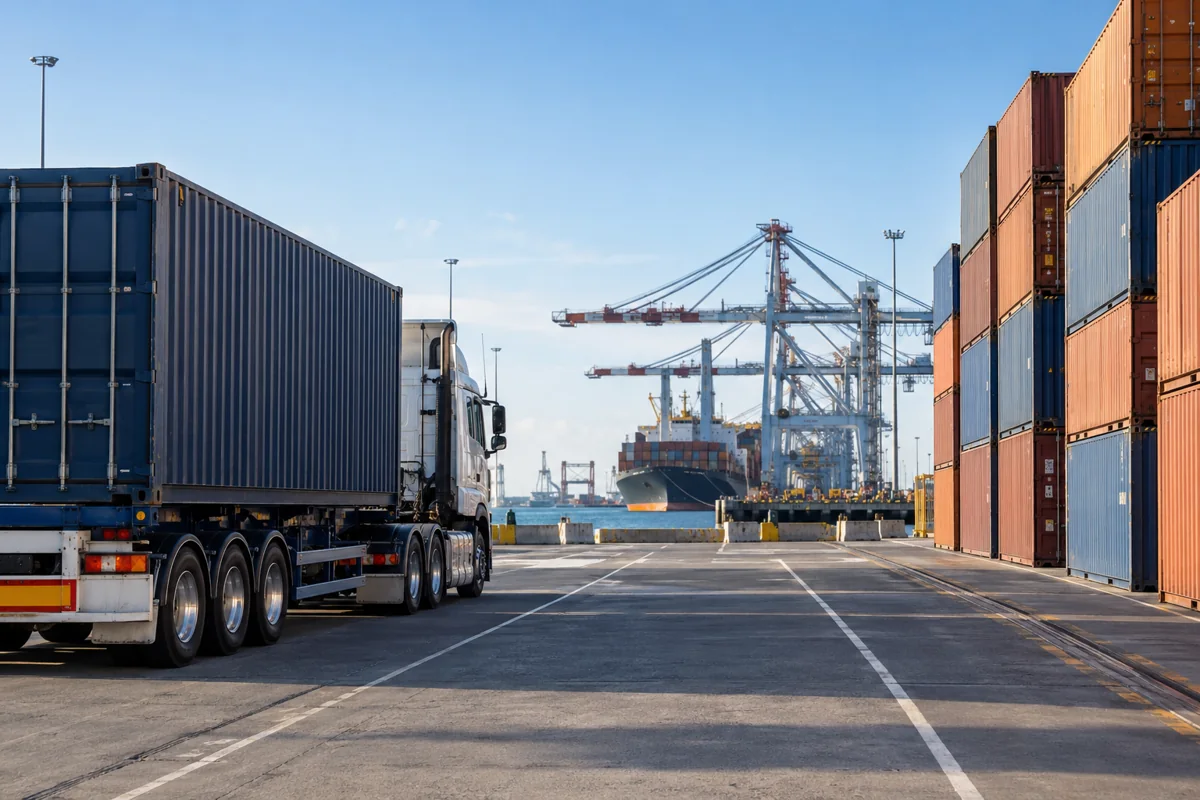
What Sea Freight Clearance Covers
Booking the ship and clearing the goods are separate jobs. Your supplier or forwarder arranges the ocean leg. Clearance covers what happens on arrival: the import declaration, assessed duty and GST, and any biosecurity requirements for the goods or packaging.
Full container loads and shared container (LCL) cargo move differently after discharge. Shared containers are normally unpacked at a depot, so the paperwork for your portion needs to be ready even though other consignments travel with it.
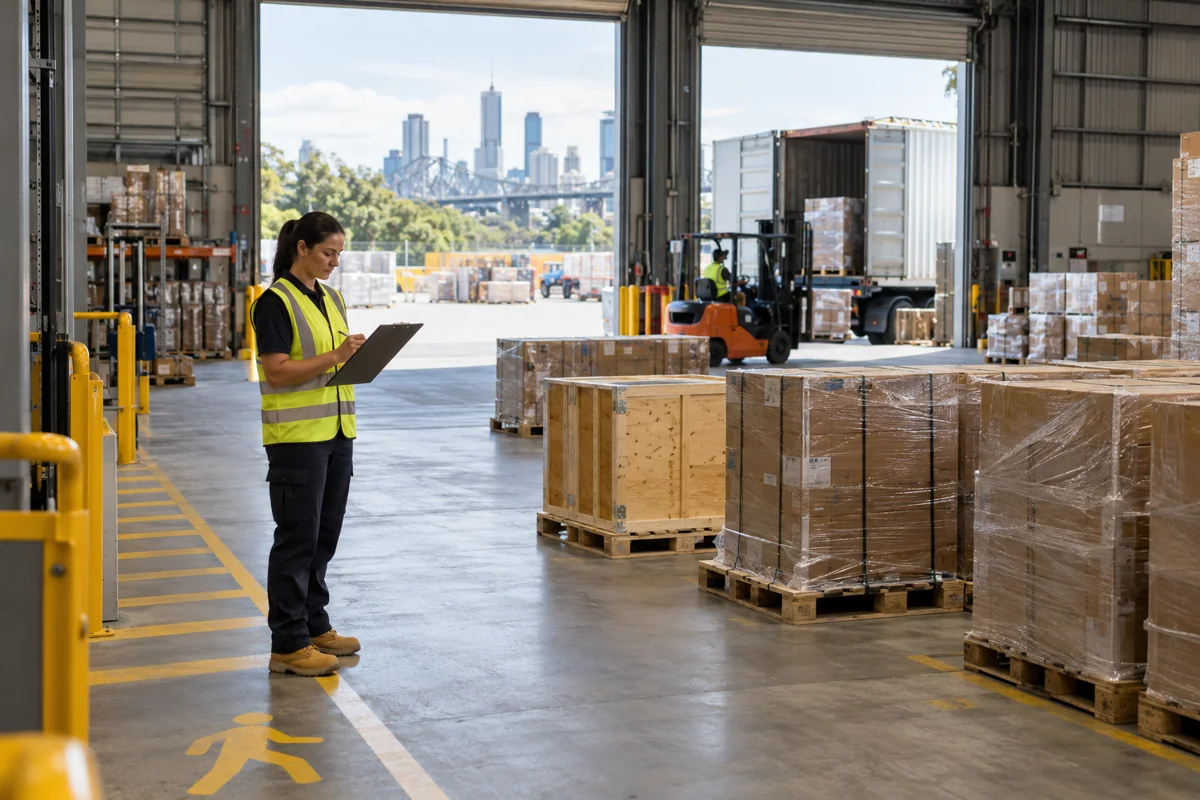
How We Help Before Your Container Arrives
We check the commercial invoice, packing list and bill of lading against each other and flag gaps early, such as vague descriptions, missing origin details or values that do not match.
The Australian Border Force and the Department of Agriculture, Fisheries and Forestry make the clearance decisions. Our job is to present your shipment accurately, keep you updated and, once release is given, discuss cartage if you need it.
What to Have Ready
Commercial invoice with seller, buyer, currency and a clear description of each item
Packing list with weights, carton counts and packaging materials, including any timber
Bill of lading, or container and vessel details from your forwarder
Brisbane delivery address and whether you can unpack a full container on site
How It Works
Send Your Documents
Share what you have, even while the shipment is still at sea.
Review and Quote
We check the paperwork, ask about anything unclear and quote the work.
Clearance and Release
We handle the customs formalities with you and confirm release status before delivery.
Frequently Asked Questions
Do I need a customs broker for sea freight?
Not always. Importers can meet the requirements themselves, as the Australian Border Force explains. Many use a broker because declarations depend on accurate classification, valuation and origin details.
How much duty and GST will I pay?
It depends on classification, customs value, origin and any concessions that apply, so there is no single rate. We can explain how the figures are calculated once we see your documents.
What usually holds up a container?
Incomplete invoices, descriptions that do not match the goods, and biosecurity issues such as untreated timber or soil. Some containers are selected for examination regardless. Early preparation reduces avoidable delays, not government checks.
Container Heading to Brisbane?
Send your invoice, packing list and bill of lading. We will review them and quote the clearance work.
GET A FREE QUOTE
